
Tracking Progress and
Building Resilience
The 2026 Africa Health Security Index
Summary and context
From a public health perspective, after a period of urgent action during the COVID-19 pandemic panic, the world is once again entering a period of neglect—even as threats continue to arise and become more complex.
Against that grim backdrop, the 2026 Africa Health Security (AHS) Index (the Index) identifies both bright spots and areas of concern. The Index documents continent-wide gains across laboratory systems, biosurveillance, biosecurity and biosafety, manufacturing, and emergency response. Overall preparedness capacities have improved, with the average score across the continent since the 2021 Global Health Security Index increasing from 32.4 to 41.5 (on a 0–100 scale)—a gain of 9.1 points.
Countries across Africa are making important progress in epidemic and pandemic preparedness by strengthening health systems and investing in core capacities, even as they navigate distinctive challenges. African governments, regional bodies, and partners have built these capacities through sustained investment and reform.
Although the progress shown in the 2026 AHS Index is encouraging, persistent gaps and vulnerabilities remain. Disease outbreaks are more frequent, climate change is accelerating and impacting health risks, and rapid scientific and technological advances are both improving preparedness and lowering barriers to the deliberate misuse of modern biological tools. Debt service costs, ongoing conflict and political instability, and demographic pressures across Africa undermine health systems and heighten vulnerability to health security threats.
Although the AHS Index indicates optimistic trends, the data, which were collected between June 2025 and January 2026, may not fully reflect the impact of recent declines in official development assistance, including significant reductions in key U.S. and European funding streams. Long-term resilience will require leveraging and sustaining capacities through continued investment, stronger health systems, and targeted action.
The AHS Index comes at a time of major change in global health financing. Multilateral organizations are reforming and innovating, regional organizations are taking on more responsibilities, and active debate continues about the future of monitoring for pandemic prevention, preparedness, and response (PPR).
The Index provides data to inform commitments that will be made at the 2026 United Nations (UN) High Level Meeting on Pandemic PPR and highlights key outcomes from initiatives such as the Africa Forward Summit, the G7 One Health Summit in Lyon, the future of the Global Preparedness Monitoring Board, the High Level Independent Panel, the Joint Finance and Health Task Force, the Pandemic Fund, and the World Health Organization (WHO) Pandemic Agreement.
In this context, the AHS Index provides timely and crucial insights to support and guide African-led improvements in health security. The Index can help shape how health security capacities are monitored, how pandemic spending is enabled and tracked, how pandemic PPR benchmarks are set, and how social and economic returns on health security investments are measured.
Africa is an exceptionally diverse continent, spanning wide variations in per capita national income levels, climates, governance systems, and social conditions. As African countries build robust, adaptable health systems, the AHS Index provides objective, transparent, and comparative time-series data, helping leaders identify preparedness gaps, assess progress, and guide decision-making. Thus, the Index is an important tool for prioritizing resources and strengthening capacities needed to prevent, detect, and respond to future health emergencies.
The AHS Index is both a progress report and a call to action. It is a reminder that the investments made today will determine Africa’s capacity to address the health threats of tomorrow.
Theory of change
The theory of change behind the AHS Index is simple: transparent, comparable, and publicly available data can improve decision-making and strengthen accountability for investments in pandemic prevention, preparedness, and response (PPR). The AHS Index can increase accountability and responsibility through the collection of public data to identify capacity gaps. The use of public data encourages countries to be transparent, and it also ensures that the AHS Index treats countries examined on a consistent and equal basis. Like the GHS Index, it aims to build political will and encourage action to address gaps and strengthen preparedness systems.
After the 2021 GHS Index was released, African stakeholders called for a tool focused on the continent that would better reflect Africa’s strengths, challenges, and strategic goals.
In response, the AHS Index builds on an updated version of the GHS Index framework and integrates deeper engagement with African institutions, regional experts, and local data validation partners. Like the GHS Index, it assesses each country’s health security for a wide range of audiences and decision-makers. National leaders can use the data to guide preparedness efforts, while international, governmental, and other global organizations can use the data to monitor progress and advocate for stronger health emergency preparedness.
At a time when pandemic preparedness is becoming more politicized, the GHS and AHS indices provide an important evidentiary foundation by providing objective, evidence-based assessments. With standardized metrics and transparent methodologies, the GHS and AHS Indices create a shared factual foundation for evidence-based policymaking across diverse political contexts. This approach shifts the focus from debating whether to invest in preparedness to identifying how best to address documented gaps and strengthen health security.
Measuring capacities not predicting outcomes
Most countries that entered the COVID-19 pandemic with strong capacity to prevent, detect, and respond to disease threats (as indicated by higher GHS Index scores) experienced lower pandemic mortality rates than those with lower capacity scores7. However, the pandemic also showed that having capacities is not enough—political will, public trust, and the broader risk environment strongly influenced health outcomes. The GHS and AHS Indices cannot predict how a country’s political leaders will make use of capacities at their disposal. Nor can they anticipate citizens’ trust in their political leaders’ health security decisions and the institutions that implement them.
A country’s ranking relative to others is less important than its current capacities and areas for improvement.
The AHS Index does not rank countries against one another. Instead, it measures each country against an objective framework and helps identify opportunities to strengthen both capacities and the ability to use them effectively.
Incentivizing transparency
The AHS Index relies on publicly available data, reinforcing the importance of transparency in tracking pandemic PPR. Global and regional health security function as public goods—an outbreak anywhere can quickly become a crisis everywhere. Protecting this public good depends on action, preparation, and transparency.
Accessible, up-to-date data help all stakeholders prepare, including national governments, regional bodies, international organizations, academia, philanthropy, and the private sector. Transparency is valuable for measurement and for highlighting where preparedness suffers from gaps in data or capacity.
Actors—such as healthcare providers, business interests, regional coordination and governing organizations, and other countries—need clear, accessible information about a country’s plans and capacities to provide an effective response. When this information is less accessible, coordination suffers and use of available capacities is weakened.
Shaping the Africa Health Security Index
The AHS Index leverages the GHS Index’s framework and methods, using open-source, publicly available data to assess pandemic prevention, preparedness and response (PPR). During consultations, the AHS Index Reference Group and other African leaders underscored how high-level assessments can overlook regionally relevant challenges that influence PPR, such as climate-driven disease dynamics, limited access to medical countermeasures (MCMs), and uneven investment patterns. To reflect African priorities and realities, the AHS Index includes new questions about regional PPR capacities and the intersection between health and climate security. This approach maintains comparability with global benchmarks while increasing relevance for African decision-makers. The AHS Index framework and analysis (Box 2) also incorporated a One Health approach, so that it assesses the integration of health systems for people, animals, and the ecosystem.
Box 2
Index categories
See the Categories
Index categories
The categories and indicators included in the GHS and AHS indices assess countries’ capacity to prevent, prepare for, detect, and respond to biological threats. These categories provide the framework for identifying gaps in health security:

1. Prevention:
Prevention of the emergence or release of pathogens
Indicators assess antimicrobial resistance, zoonotic disease, biosecurity, biosafety, immunization, and dual-use research and culture of responsible science.

2. Detection and reporting:
Early detection and reporting for epidemics of potential international concern
Indicators assess laboratory systems’ strength and quality, laboratory supply chains, real-time surveillance and reporting, surveillance data accessibility and transparency, case-based investigation, and epidemiology workforce.

3. Rapid response:
Rapid response to and mitigation of the spread of an epidemic
Indicators assess emergency preparedness and response planning, execution of response plans, emergency response operation, links between public health and security authorities, risk communication, access to communications infrastructure, and trade and travel restrictions.

4. Health system:
Sufficient and robust health system to treat the sick and protect health workers
Indicators assess health capacity in clinics, hospitals, and community care centers; supply chains for health system and healthcare workers; medical countermeasures and personnel deployment; population healthcare access; communications with healthcare workers during a public health emergency; infection control practices; and capacity to test and approve new countermeasures.

5. Commitments to norms:
Commitments to improving national capacity, financing plans to address gaps, and adhering to global norms
Indicators assess International Health Reporting compliance and disaster risk reduction; cross-border agreements on animal and human public health and emergency response; international commitments; completion and publication of WHO Joint External Evaluation (JEE) and the World Organisation for Animal Health (WOAH) Performance of Veterinary Services (PVS) Pathway assessments; financing actions and commitments; and commitment to sharing of genetic and biological data and specimens.

6. Risk environment:
Overall risk environment and country vulnerability to biological threats
Indicators assess political and security risks; socioeconomic resilience; infrastructure adequacy; environmental risks; and public health vulnerabilities that may affect the ability of a country to prevent, detect, or respond to an epidemic or pandemic and increase the likelihood that disease outbreaks will spill across national borders.
Methodology overview
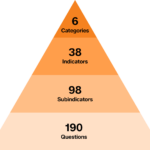
The 2026 AHS Index includes 190 questions grouped into 38 indicators, 98 subindicators, across six overarching categories (see Figure 1). The Index covers 54 African countries, with 2019 and 2021 scores adjusted for comparison within this group.
Countries receive scores from 0 to 100 overall, and by category, based on a weighted sum of the six categories. Scores reflect relative performance—not absolute capacity—with 100 and 0 representing the highest and lowest possible scores under the Index methodology. Data were collected by Economist Enterprise (June 2025–January 2026) and independently reviewed by authoritative researchers in Africa, with both the University of Tunis El Manar in Tunisia and the University of the Witwatersrand in South Africa serving as validation partners. This validation process helped ensure accuracy, consistency, and transparency.
Users may also adjust category weights to custom values of their choice in the accompanying Excel workbook, depending on analytical needs. A full methodology report is available here.
Framework evolution
The GHS Index International Panel of Experts reviewed the framework in March 2023 and recommended a substantial set of updates for the next edition. Thirty-eight revisions were accepted into the framework, adding new questions, refining language for existing questions, and adjusting scoring guidance.
To reflect the context of African countries and regional organizations, AHS Index partners convened the Reference Group for strategic guidance in May 2025 to ensure that the framework aligned with regional priorities and realities. Feedback from the group led to changes to 21 questions, including updates to some indicators revised in 2023.
The AHS Index focus areas
Consultations with the AHS Index Reference Group, along with other senior African leaders and experts in health, finance, and development, helped identify areas for analysis. These focus areas structure the report and form the foundation for its findings and recommendations.
Biosecurity and biosafety:
Preventing accidental and deliberate biological events
Effective biological and medical research relies on safe, secure storage, usage, and transportation procedures, as well as reliable personnel screening. This analysis relies primarily on data in Category 1: Prevention, including the biosafety, biosecurity, and dual-use research of concern indicators.

Biosurveillance:
Detecting and reporting emerging outbreaks
Biosurveillance is the ongoing monitoring and analysis of data across interconnected human, animal, and environmental health systems to identify and address biological threats—whether they are natural, deliberate, or accidental. These capacities underpin a country’s ability to quickly detect and respond to a biological threat and are tracked within Category 2: Detection and Reporting.

Medical countermeasure development and deployment:
Strengthening outbreak response
Strong, resilient health systems rely on the ability to rapidly produce, approve, and deliver lifesaving vaccines, diagnostics, and therapeutics. Subindicators that measure MCM capacities are tracked within Category 4: Health Systems and Category 3: Rapid Response.

Climate change:
Assessing impacts on health security
Climate change accelerates the spread of infectious diseases by reshaping ecological conditions, driving population displacement, and intensifying water- and vector-borne and zoonotic threats. The capacities needed to reduce and respond to these risks are captured across multiple AHS Index categories and indicators including measures of environmental vulnerability, zoonotic disease surveillance, and readiness for climate-related health shocks.

Regional capacities and initiatives:
Augmenting national health security infrastructure
Effective health security in Africa depends on the ability to coordinate, strengthen, and leverage supranational public health systems that operate across national borders. The capacities that support this collaboration, such as regional surveillance, emergency operations, biosecurity oversight, epidemiology workforce development, and medical countermeasure readiness, are reflected across multiple AHS Index categories.

Financing and spending commitments and institutions:
Supporting a sustainable and sovereign response
Finance commitments and institutional frameworks are as important as the amounts and sources of health security funding. Some Category 5 indicators track how countries act to secure, provide, and manage the funding needed to respond effectively to outbreaks. Importantly, indicator 5.5 (“Financing”) does not measure specific funding amounts or flows. Instead, it assesses the actions countries have taken to demonstrate commitment and enable the funding necessary for an effective response.
Continental and regional findings
Overall and categories
Health security capacities across Africa have improved since 2021. The 2026 average AHS Index score is 41.5 out of 100—an increase of 9.1 points from a score of 32.4 in 2021. Overall score increases are widespread, with 52 of 54 countries improving their scores by at least one point.
However, significant gaps such as prevention and health commitment capacities persist, leaving countries and regional organizations unprepared for future pandemics. Sustaining and accelerating this progress will require continued investment and targeted action to strengthen long-term resilience and advance health sovereignty. The Recommendations section offers several priority interventions to build country capacity.
Category data
Across Africa, five of six categories improved since 2021 (Figure 2), demonstrating broad and sustained advancement in many health security capacities.

- Prevention: This remains the lowest-scoring category of the six, consistent with 2021 results. Even so, the continental average increased by more than 9 points.
- Detection and Reporting: This category had the most improvement, rising by 20 points. This increase reflects post-COVID-19 prioritization of detection and reporting capacity building.
- Rapid Response: This category increased by 11.4 points since 2021, demonstrating that African countries have improved the systems used in outbreak events.
- Health System: This category had the second strongest improvement with a rise of 13.2 points, which reflects post-COVID-19 prioritization.
- Commitments to International Norms: This category has remained relatively stable (a 2.8-point increase) from 2019 to 2026.
- Risk Environment: This category has showed a gradual decline, falling 1.7 points since 2021 and a decrease of 3.3 points since 2019.
As official development assistance from high-income countries declines, strengthening African resilience will be critical to building a more secure foundation for national, regional, and continental health sovereignty —with potential for positive impacts globally.
Regional data
Map 1 illustrates the countries in each region of Africa used in the analysis. The AHS Index data and analysis include the 54 African countries that are states parties to the International Health Regulations. Division into regions largely aligns with the Africa CDC Regional Coordination Centres.

When analyzed by region, scores across categories broadly reflect continental trends. While the size of the changes varies, the overall pattern of improvement or stability from 2021 to 2026 is consistent across regions.


Findings by focus area
Biosecurity and biosafety
Findings
- Biosecurity and biosafety capacities have improved since 2021, with the largest gains in Western Africa. However, scores remain low: the mean score in the AHS Index for the biosecurity indicator is 14.9, the mean score for biosafety is 18.2, and the mean score for dual-use research of concern (DURC) capacities sits just below 1.9 out of 100.
- Laboratory system capacities, such as the number of national laboratories and specimen transport systems, are outpacing biosecurity and biosafety governance. Closing this gap will require proportionate investment to keep systems safe and secure.
- DURC oversight remains a near-universal gap across the continent.
Context
The Reference Group identified biosecurity and biosafety as continental priorities, and several countries have made notable progress in strengthening prevention capacities.
The Africa CDC, with regional and global partners, released the Biosafety and Biosecurity Initiative (BBI) in 2019 to strengthen the biosecurity and biosafety systems across African Union (AU) member states. The BBI 2021–2025 Strategic Plan focused on building biosecurity and biosafety capacity across the continent, including actions such as regional training and certification programs for biosecurity and biosafety experts and regulatory frameworks for handling high-consequence agents and toxins.
Building on this progress, the 2026–2030 strategy focuses on deeper institutionalization and mobilization, with a goal of at least 60 percent of biosecurity and biosafety activities to be financed through domestic and regional resources by 2030.
African countries have demonstrated capacity growth for biosafety measures since 2021. However, scores remain low (Figure 4): the mean score in the AHS Index for the biosecurity indicator is 14.9, the mean score for biosafety is 18.2, and the mean score for DURC capacities sits just below 1.9 out of 100.

There are, however, clear pathways for continued biosecurity and biosafety improvement. Stronger workforce training, international norm engagement, and improved biosecurity governance provide a strong foundation. The priority is to sustain this momentum and ensure that oversight and regulatory frameworks keep pace with rapidly expanding scientific and laboratory capacities.
Biosecurity
In the AHS Index, biosecurity is assessed across four domains:
- Whole-of-government biosecurity systems, including biosecurity legislation and the secure storage and inventory management of high-risk pathogens and toxins
- Training and practices, such as standardized biosecurity workforce training and personnel checks for access to especially dangerous pathogens
- Transportation security, including national regulations for transporting Category A and B infectious substances
- Legal oversight of high-risk pathogens and toxins, including laws and regulations on cross-border transfer and end-user screening
Since 2021, countries have made measurable progress across all regions in reducing the risk of pathogen emergence or release. Western Africa saw the largest gains, with a 16.2-point score increase, driven in part by stronger governance measures, such as regulations on safe and secure transport of infectious substances (Figure 5).

There has also been substantial growth in biosecurity workforce training programs. In 2021, 14 African countries had documented ad hoc training programs; by 2026, this number rose to 21. This increase reflects a growing recognition that technical knowledge and skilled personnel are essential to effective biosecurity systems.
However, most programs remain ad hoc rather than standardized or mandatory. Formalizing these programs with enforceable requirements and clear recertification standards is a concrete next step to build on this momentum.
Nine additional African countries have established national regulations on the safe and secure transport of infectious substances since 2021, demonstrating growing political commitment to biosecurity governance.
African countries are also engaging more with international biosecurity norms: as of 2026, 51 of 54 African countries have signed the Biological Weapons Convention (BWC), and 49 have ratified it. (See subindicator 5.3.1a in Figure 5.) Since 2021 data collection, Comoros, South Sudan, and Namibia have ratified the agreement.
At the same time, domestic governance and regulatory frameworks are being strengthened across the continent. See Box 3 for an example, South Africa.
Biosafety
In the AHS Index, biosafety is assessed across two domains:
- Whole-of-government biosafety systems, including biosafety legislation and designated biosafety oversight and enforcement agencies
- Training and practices, such as standardized biosafety workforce training and
recertification standards
The establishment of biosafety oversight and enforcement agencies reflects a broader continent trend toward stronger prevention efforts. The number of countries with an agency responsible for biosafety legislation and regulation has grown significantly—from just one in 2021, to 12 in 2026 (Figure 6).

Biosafety workforce training programs also have expanded: by 2026, 26 countries had some form of training program, up from 14 countries in 2021. However, as with biosecurity training, these programs are often ad hoc rather than standardized or mandatory. Formalizing them with clear requirements and standards for recertification is an important next step to sustain progress.
Biosafety capacity growth is especially critical given the expansion of laboratory capacities across the continent. 2026 data show that 76 percent of countries now have a national laboratory subject to external quality assurance review, up from 58 percent in 2021 and 48 percent in 2019. Similarly, 56 percent of countries now have nationwide specimen-transport systems, compared to just 19 percent in 2019 and 2021.
As laboratory system capacities grow, matching investment in biosafety measures is essential to keep these systems safe and secure.
Dual-use research of concern and culture of responsible science
In the AHS Index, DURC and culture of responsible science are assessed across four domains:
- Assessments of whether current research involves especially dangerous pathogens, toxins, pathogens with pandemic potential, and/or other dual-use research
- Legislation and/or regulation requiring oversight of such research
- A designated agency responsible for oversight of such research
- Legislation and/or regulation requiring the screening of synthesized DNA against lists of known pathogens and toxins
Strengthening oversight of dual-use research and DNA synthesis screening is essential to building comprehensive biosecurity and biosafety strategies across Africa. The 2021 GHS Index found that 94 percent of countries worldwide lacked oversight measures, such as national laws or regulations, a designated responsible agency, or formal assessments of dual-use research. No African countries achieved this standard at that time.
Since 2021, this oversight deficit has persisted. The 2026 AHS Index shows a mean score across all regions of 1.85 out of 100 for dual-use research and culture of responsible science capacities (indicator 1.5), and two regions (Central and Northern Africa) received scores of 0 (meaning no countries in the region had oversight measures).
However, some progress has been made. In 2021, no countries had agencies responsible for DURC oversight; by 2026, six countries—Djibouti, Malawi, Mali, Rwanda, Seychelles, and Uganda —reported such agencies. However, none have passed legislation requiring oversight of research with especially dangerous pathogens, toxins, pathogens with pandemic potential, or other dual-use research.
And while at least seven African countries have active DNA synthesis markets, no country has legislation or regulation requiring the screening of synthesized DNA.
Without adequate oversight, scientific capabilities can outpace the governance structures designed to prevent misuse—creating risks and opening the door for harmful applications. Establishing robust DURC and DNA-screening oversight would help African countries lead on responsible bioscience governance, supporting safe growth in biotechnology and related economic activity.
 Biosurveillance
Findings
- Early detection and reporting capacities are improving across countries, reflecting stronger biosurveillance systems, though regional variation is notable.
- Wastewater surveillance and genomic-sequencing capacities are expanding across the continent but remain uneven in maturity.
Context
Biosurveillance refers to the continuous monitoring and analysis of data across human, animal, and environmental health systems to detect and respond to biological threats, whether naturally occurring or deliberate.9 Strong biosurveillance capacities form the foundation of early detection and timely response to health threats, and measuring them helps identify gaps and guide improvements.
Africa CDC approaches health security through a range of complementary surveillance methods—including integrated disease surveillance and response (which connects multiple systems and links data to public health action), event-based surveillance, genomic surveillance, and epidemic intelligence (which uses multiple data sources to identify and confirm potential health threats)—to detect, confirm, and respond to public health risks across AU member states.
The Index framework includes several biosurveillance indicators under Category 2: Detection and Reporting.
Regional variation in early detection and reporting capacity
There are clear differences in early detection and reporting capacity across Africa (Figure 7). Southern Africa demonstrates the strongest capacities in this category, with a regional mean score of 52.7, followed by Western Africa (50.6) and Eastern Africa (50.3). Northern Africa scores lower, with a mean of 44.2, while Central Africa has the lowest regional average at 26.7, about half the score of the highest-performing regions.

These differences are particularly important given the geographic distribution of infectious disease outbreaks. Central Africa, where outbreaks such as Ebola and mpox occur and cross-border transmission is common, faces significant strain on its limited early-detection capacity due to constraints in laboratory diagnostic coverage and challenges with specimen transport that delay testing and reporting.
Since 2019, early detection and reporting capacities have improved across all regions. Incremental improvements were seen between 2019 and 2021, with more substantial improvements from 2021 to 2026, particularly in Southern Africa (27.3 to 52.7), Western Africa (28.6 to 50.6), and Eastern Africa (28.7 to 50.3). Northern Africa also showed notable progress during this period (26.9 to 44.2).
Central Africa demonstrated steady improvement, with regional averages increasing from 16.3 in 2021 to 26.7 in 2026.
Overall, these trends show continued progress in strengthening biosurveillance capacities across Africa, while also highlighting persistent regional gaps in early detection and reporting systems.
Biosurveillance capacities
Between 2021 and 2026, Category 2 capacities improved in 53 of 54 countries, with one country maintaining the same score. All regions also saw score increases during this period, though differences persisted. Increases were observed across key biosurveillance components:
- Laboratory systems strength and quality (indicator 2.1) increased from 32.9 in 2021 to 49.3 in 2026, reflecting improved capacity to detect and confirm health threats.
- Laboratory supply chains (indicator 2.2) improved from 9.3 to 29.6 over the same period. Despite this improvement, gaps remain in specimen transport and laboratory coordination, limiting early detection before outbreaks spread and creating challenges in rapidly authorizing and scaling up testing.
- Real-time surveillance and reporting (indicator 2.3) saw the largest increase, from 37.0 in 2021 to 64.2 in 2026. This reflects expanded adoption of electronic reporting systems, improved timeliness of surveillance data for decision-making, and widespread wastewater and environmental surveillance activity.
- Surveillance data accessibility and transparency (indicator 2.4) showed substantial gains, improving from 22.4 in 2021 to 47.0 in 2026, reflecting increased availability of surveillance data to support evidence-based decision-making.
Electronic reporting surveillance systems—which are vital for rapidly collecting and sharing surveillance data at national and subnational levels (2.3.2a)—vary widely across regions in Africa. In 2026, Eastern Africa recorded the highest share of countries with this capacity (92.9 percent), while Central Africa had the lowest regional mean (44.4 percent). Eastern Africa also showed the largest improvement from its 2019 regional mean score of 23.2 percent. Central Africa, which improved from a baseline of 8.3 percent in 2019, continues to lag other regions.
Evidence of ongoing event-based and indicator-based surveillance and analysis (2.3.1a) was widespread in 2026. All countries (100 percent) in Eastern, Northern, Southern, and Western Africa demonstrated this capacity along with eight of the nine countries (88.9 percent) in Central Africa.
However, routine daily analysis of surveillance data remains limited across all regions: 14.3 percent in Eastern Africa, 16.7 percent in Northern Africa, and 10.0 percent in Southern Africa. No countries in Central or Western Africa reported conducting routine daily surveillance analysis.
Wastewater and environmental surveillance
Wastewater and environmental surveillance (WES) was added as a new subindicator (2.3.3) in the 2026 AHS Index framework. WES involves testing wastewater or other human-impacted environmental waters for pathogens to monitor disease trends at the population level. An increasingly important early-warning tool for emerging outbreaks, WES can complement other surveillance approaches, including event-based and indicator-based surveillance.
By adding this new subindicator, the AHS Index identifies which African countries have established some level of WES capacity—whether through environmental surveillance efforts, pilot initiatives, or ongoing national programs—to strengthen biosurveillance (Figure 8).

The data show that most countries have some level of WES capacity, although the scope and maturity of these efforts vary widely. Of the 54 countries, 16 had publicly available evidence of an ongoing national WES program or initiative, 36 had evidence of some WES activity, and two had no publicly available evidence.
Evidence of ongoing national WES programs or initiatives was found across multiple regions, with the largest concentration in Southern Africa (70.0 percent) and Eastern Africa (35.7 percent). Publicly available information indicates that these national efforts involve routine wastewater programs, rather than participation in one-off studies or regional and global initiatives.
In many other countries, evidence of WES capacity was linked primarily to environmental surveillance activities for poliovirus detection, including through the Global Polio Eradication Initiative. Although these activities are limited in scope, they provide a foundation of infrastructure and technical expertise that could support the future expansion of wastewater surveillance to cover multiple pathogens and additional early warning signals.
Overall, the findings suggest that WES is an expanding biosurveillance capacity across the continent. Current efforts provide a foundation for expanding wastewater programs and integrating them into national public health surveillance systems. However, more work is needed to identify best practices, assess returns on investment for WES, and better understand how these systems can support public health actions to stop disease spread and save lives in Africa.
Box 4 discusses findings from an assessment on genomic surveillance capacity, and Box 5 provides a case study on Uganda’s early detection and reporting capacity.

Medical countermeasure development and deployment
Findings
- African countries have made substantial gains in MCM development and deployment since 2019, with average scores rising across all five regions.
- A gap remains between development and deployment capacities, highlighting a clear opportunity for targeted investment in workforce surge planning and deployment infrastructure.
- Nonpharmaceutical intervention (NPI) policies and guidelines expanded significantly between 2019 and 2021; as of 2026, fewer countries maintain active guidelines than during the height of the pandemic response.
Context
African countries were unable to rapidly access key medical countermeasures (MCMs)—such as therapeutics, diagnostics, and vaccines—during the COVID-19 pandemic. In response, initiatives such as the 100 Days Mission aim to finance, develop, manufacture, surge, and equitably deploy MCMs during health emergencies, aligning with Africa’s focus on MCMs as a central pillar of health system resilience.
By 2040, the AU aims to manufacture more than 60 percent of the vaccinations needed for the continent. Launched in June 2025, the African Vaccine Manufacturing Accelerator (AVMA) will provide considerable funding to support the sustainable growth of Africa’s manufacturing base. In late 2025, the African Medicines Agency (AMA) was introduced as a new organization to strengthen medical and health security across the continent. Together, these initiatives reflect ongoing efforts to strengthen the infrastructure and institutions necessary for health sovereignty and security.
Medical countermeasures capacity developments
African countries made notable strides in MCM development between 2019 and 2026. The average score for testing and approving new MCMs increased from 37.0 in 2021 to 56.5 in 2026 (Figure 9). Northern and Western Africa demonstrated the largest gains, each improving by 25 points.

Deployment capacities, such as dispensing MCMs and mobilizing medical personnel during public health emergencies, also improved, with a 15-point average score increase across the continent. This trend is reflected in the growing number of facilities achieving WHO Maturity Level 3 (ML3) status,13 which rose to nine countries by 2025, up from just two in 2021.
Despite this progress, a gap remains between MCM development and deployment capacities. While 85 percent of African countries have a government agency responsible for approving new MCMs, only 22 percent have publicly available plans to manage medical supply surges during public health emergencies.
In 2021, 32 countries reported non-pharmaceutical intervention (NPI) planning efforts, largely in response to the COVID-19 pandemic. By 2026, however, only 26 countries maintained publicly available NPI policies, plans, or guidelines (Figure 10). At the same time, scores for the health system supply chains and health workforce indicator (4.2) have increased by just over 2 points since 2019. The number of countries reporting emergency stockpiles of medical supplies—such as vaccines, antibiotics, therapeutics, and personal protective equipment (PPE)—has remained stagnant.

The sidebar presents a case study on Senegal’s MCM accomplishments.
Together, these trends highlight a clear opportunity: investing in deployment infrastructure can help match growing MCM development capacity with the systems necessary to deliver during public health emergencies. Closing this gap will be essential to turning MCM development gains into meaningful health outcomes and strengthening health security and preparedness for biological threats. Capacity growth in countries such as Senegal demonstrates that, with national policy prioritization and international partnerships, substantial progress is achievable.

The impact of climate change on health security
Findings
- African countries are strengthening the infrastructure needed to respond to climate change–related infectious disease threats, including improved access to water and sanitation infrastructure.
- Countries have improved their capacity to prevent, detect, and rapidly respond to zoonotic diseases. This includes legislation and plans for expanded surveillance systems that incorporate animal populations, improved data-sharing mechanisms, and comprehensive emergency-response planning.
Context
Climate change is accelerating the emergence and spread of infectious diseases, posing increased risks to local, national, regional, and global health security.
Rising temperatures are widening the geographic distribution of disease vectors, while extreme weather events are driving human and animal displacement and reshaping the epidemiology of infectious diseases. These changes are contributing to increases in water- and vector-borne diseases, as well as zoonotic spillover. A 2022 study found that 58 percent of infectious diseases affecting human health have been “aggravated” by climate change, which underscores the scale of the challenge.14
Globally, more than half of human diseases are linked to zoonotic origins.15 Over the last decade, zoonotic outbreaks in Africa, including diseases such as mpox, Ebola, Lassa fever, and Marburg virus, among others, increased 63 percent compared to the previous decade.
Climate change is also intensifying the deadliness of outbreaks. For example, increased rainfall, flooding, and water contamination are worsening cholera outbreaks. In late 2025, Africa CDC reported a surge in cholera cases—the continent’s worst in 25 years. Vector-borne diseases are also increasing and spreading to new regions as insects, such as mosquitoes and ticks, expand their geographical range. In sub-Saharan Africa, projections suggest a 25-percent increase in mosquito density and a 40-percent rise in dengue cases by 2050.16
Measuring risk and readiness for climate change-related infectious diseases
The 2026 AHS Index includes 15 subindicators relevant to reducing the risk of climate change–related infectious disease outbreaks (Box 7). The GHS Index International Panel of Experts identified these subindicators as important metrics for assessing country-level readiness for climate threats. They cover areas such as environmental risks and zoonotic disease surveillance, detection, reporting, and risk reduction.
The AHS Index shows that national capacity is improving in areas most relevant to preventing and responding to climate change–related infectious diseases. The mean score for indicator 1.2, which includes 12 zoonotic disease subindicators, increased 11.1 points, from 28.6 in 2021 to 39.7 in 2026. This represents a significant improvement compared to minimal change between 2019 (28.4) and 2021 (28.6).
Other findings include the following:
- Access to basic water and sanitation infrastructure has increased overall (subindicators 6.5.2a and 6.5.2b). The average percentage of households with access rose to 69 percent for water and 46 percent for sanitation, up from 51 percent and 38 percent, respectively, in 2021. These services are critical for preventing water-borne outbreaks like cholera.
- Risk for economic disruption due to natural disasters (subindicator 6.4.3a) remains elevated, with 54 percent of African countries facing very high or high risk (Figure 11).

- Climate-resilient health system planning is expanding. Just over half (52 percent) of countries now have a strategy or plan to build resilience to climate change and seasonal threats, including infectious diseases, changing weather patterns and acute events following extreme weather events (subindicator 1.7.1a), which shows an increase from 35 percent in 2021. Eastern Africa leads (71 percent), followed by Southern and Western Africa (60 percent each).
- Zoonotic disease legislation and plans have increased notably since 2021, yet gaps remain in developing disease surveillance capacities within wildlife, poultry, and livestock populations (Figure 12).
- Countries with legislation or plans for zoonotic disease prioritization, detection, and reporting (subindicator 1.2.1a) increased from 50 percent to 56 percent.
- Countries with legislation or plans that include risk identification and reduction for zoonotic spillover (subindicator 1.2.1b) increased from 2 percent to 39 percent.
- Countries with legislation or plans that account for the surveillance and control of zoonotic pathogens of public health concern (subindicator 1.2.1c) rose from 11 percent to 61 percent.
- Countries that conduct surveillance of zoonotic diseases in wildlife, poultry, and livestock (subindicator 1.2.2c) increased slightly from 33 percent to 43 percent.


Regional capacities and initiatives
Findings
- Since 2019, the number of African countries tracking dangerous pathogen facility locations rose from one to eight—a meaningful gain, although 46 countries still do not maintain such records.
- Emergency coordination infrastructure expanded sharply across the continent: 52 of 54 countries now have Emergency Operations Centers, up from just over half in 2019; animal health emergency agreements grew from 2 countries to 36.
- The share of countries meeting field epidemiologist staffing thresholds nearly doubled
- Biological Weapons Convention (BWC) confidence-building measure (CBM) submissions rose from 13 to 34 countries since 2021.
Context
Extensive capacity-building efforts across Africa’s five regions reflect a shared, continent-wide approach to addressing health security threats. Institutions such as Africa CDC, the African Development Bank, regional economic communities, and the African Medicines Agency play key roles in strengthening the capacities needed to address these threats.
Introduced in 2017, Africa CDC was established to strengthen the capacity of AU member states to prevent, detect, and respond to disease threats. The organization operates through a decentralized model with five Regional Coordination Centres located in in Egypt (Northern Africa), Gabon (Central Africa), Kenya (Eastern Africa), Nigeria (Western Africa), and Zambia (Southern Africa). This structure enables Africa CDC to work closely with National Public Health Institutes in each member state, as well as with other public health and economic development organizations.
Africa CDC leads many critical programs, including efforts to strengthen surveillance systems, improve genomic sequencing capacities, strengthen biosecurity and biosafety, build the epidemiology workforce, and support medical countermeasure procurement.
Additional intergovernmental and nongovernmental organizations such as the WHO, the UN Office for Disarmament Affair’s (UNODA) Implementation Support Unit, the Coalition for Epidemic Preparedness Innovations, the AMA, and the African Field Epidemiology Network also support key health security capacities, such as surveillance, biosecurity and biosafety, MCM development and regulation, and workforce development.
Ongoing efforts across Africa’s five regions align with Africa CDC’s work on an African Health Security and Sovereignty agenda.17 These initiatives aim to address longstanding inequities in global health systems and strengthen Africa’s ability to respond to health threats. A core pillar focuses on institutionalizing preparedness and responses to health emergencies, representing a shift from ad hoc approaches to sustained, continent-wide readiness.
The AHS Index measures capacities at the country level while also providing insights into progress and remaining gaps across regional health security efforts. Initiatives to strengthen capacities across multiple countries have been successful and crucial over the last decade, but countries must also maintain strong national systems to handle health emergencies. These national capacities are especially important during pandemics when travel and trade restrictions can make it challenging to leverage regional support.
Regional capacities assessment
Capacities of groups of countries were evaluated by reviewing the scores across three types of questions: those addressing the use of international capacities or cross-border agreements, those related to international commitments to the BWC, and those related to capacity building initiatives aimed at strengthening systems across countries (Box 8).
Regional initiatives for biosecurity
Maintaining accurate, up-to-date records of facilities that store dangerous pathogens and toxins is an important aspect of biosecurity. These records help countries target and implement additional staff training and security measures to ensure laboratories are equipped to handle high-consequence materials.
In the 2019 and 2021 GHS indices, only one African country, Cameroon, maintained a record of these facilities. By 2026, this number had risen to eight countries. Despite this progress, 46 countries still do not track these facilities, highlighting a significant gap.
Programs such as the Health Security Partnership in Africa (HSPA) and the Biosecurity and Biosafety Initiative are working to build these capacities, including tracking the location of dangerous pathogens. Notably, two of the eight countries with such records, Morocco and Tunisia, are HSPA partner countries, underscoring the potential of these initiatives to drive progress.
Cross-border coordination and response
Outbreaks in communicable diseases such as Ebola, mpox, and cholera often transmit across country lines, underscoring the importance of strong cross-border coordination for effective response (Figure 13). As of 2026, 76 percent of countries have memoranda of understanding (MOUs) in place with neighboring countries to support responses to health emergencies—up from just under 60 percent in 2019 and 2021—though gaps in implementation remain (subindicator 5.2.1a).

These MOUs come in several forms. Some operate among regional economic communities, such as the Southern African Development Community, which has a Protocol on Health to coordinate regional epidemic prevention and response. Others are led by intergovernmental organizations, such as the Indian Ocean Commission’s Surveillance Épidémiologique et de gestation des alerts (Epidemiological Surveillance and Alert Management)—One Health Network, which supports regional cooperation on infectious disease outbreaks. Finally, some are country-led cooperation agreements between neighbors to address infectious disease outbreaks.
There has also been a large increase in cross-border agreements to handle animal health emergencies (subindicator 5.2.1b) (Figure 14). Only two countries—Comoros and Madagascar—had such arrangements in 2019 and 2021, compared to 36 countries as of 2026.

One of the goals of Africa CDC’s strategic plan to improve surveillance, emergency response, and prevention of infectious diseases was to establish Emergency Operations Centers (EOCs) in every country. In the 2019 and 2021 GHS indices, just over half of African countries had an EOC (subindicator 3.3.1a). By 2026, all but two countries—Comoros and Lesotho—had established EOCs. EOCs play a critical role in outbreak response by coordinating resources and strengthening communication and collaboration among responders.
Epidemiology workforce and MCM readiness
Initiatives such as the African Field Epidemiology Network (AFENET) and the Training Programs in Epidemiology and Public Health Network (TEPHINET) support the training of field epidemiologists and help coordinate cross-border personnel deployment during outbreaks. Countries are growing their field epidemiology workforce and their capacity to receive health personnel from other countries, though gaps remain.
As of 2026, 52 percent of countries have at least one trained field epidemiologist per 200,000 people, up from 28 percent in 2019 and 2021 (subindicator 2.6.2a). As of 2026, 30 percent of countries have plans to receive health personnel from other countries during public health emergencies, compared to 0 percent in 2019 and 2021 (subindicator 4.3.2a). Momentum in this area is likely to continue with the 2024 introduction of the African Epidemic Service, signaling a commitment to strengthening the epidemiology workforce on the continent.
With respect to expedited processes for approving MCM for human use, the 2026 AHS Index assesses whether countries recognize approval decisions taking place elsewhere to treat ongoing pandemics or epidemics (subindicator 4.7.2b). As of 2019 and 2021, only 20 percent of countries had such an expedited process. By 2026, this increased to 19 countries. Of these, 12 explicitly recognize approval decisions taking place elsewhere, typically relying on the WHO or a Stringent Regulatory Authority.
In addition, regulatory authorities in Nigeria, Ghana, South Africa, and Zimbabwe signed an MOU in February 2025 to streamline application submission and evaluation processes. This indicates the potential for AMA to further strengthen capacities by enabling MCMs approved in one African country to be recognized by others.
Commitments to international norms
African countries have demonstrated a strong commitment to global health security strengthening efforts. Compliance with the Biological Weapons Convention (BWC) has improved significantly over the past five years (subindicators 5.3.1a and 5.3.1b). As of 2026, 49 of 54 countries have signed and ratified the BWC, and 34 of 54 have submitted CBMs in the past three years, up from just 13 countries in 2021. The goal of the CBMs is to increase compliance to the BWC.
In 2020, the Global Partnership Against the Spread of Weapons and Materials of Mass Destruction (Global Partnership) released a Signature Initiative to Mitigate Deliberate Biological Threats in Africa, With a focus on increasing the submission of CBMs. UNODA’s Implementation Support Unit has supported African countries in these efforts.
In the past five years, only 22 African countries have completed and published at least one Joint External Evaluation (JEE), a voluntary, collaborative process to evaluate capacities to prevent, detect, and respond to public health risks (subindicator 5.4.1a).

Financing and spending commitments and institutions
Findings
- Despite increases in overall AHS Index scores, the average for finance and spending commitments and institutions decreased slightly compared to 2019 and 2021.
- While most regions showed low correlations between higher financing scores and higher overall scores, Western Africa was an outlier.
- More countries are failing to make public the evidence of their domestic financing commitments. Eighteen countries that previously showed evidence of national commitment to epidemic capacity financing did not show evidence of such support in the past three years, while seven countries have shown new evidence of increased commitment.
Context
Both the AHS and GHS indices assess country commitments and actions related to financing for pandemic preparedness. They track what countries do to allocate, obtain, contribute, and manage the funding needed to respond effectively to an outbreak.
Importantly, indicator 5.5 (Financing) does not measure specific funding amounts. Instead, it focuses on the actions a country has taken to demonstrate specifically that it has put its own funds toward pandemic capacity improvement and to facilitate the funding necessary for a successful response (Box 9).
For example, one financing subindicator (5.5.1) examines whether a country has allocated national funds to improve its PPR capacities within the past three years. Similarly, another subindicator (5.5.4) assesses whether countries demonstrate financial accountability and commitment in international forums.
One pillar of the Africa CDC Health Security and Sovereignty Agenda is “predictable, domestic, innovative, and blended (private and public) financing.”18 As countries work to improve domestically financed health systems, they may draw on tools that Africa CDC or other multilateral organizations developed to improve resource use. These tools can help to increase the institutional linkages and commitments, positioning countries to better use national or outside funding when it becomes available.
Institutional finance readiness remains critical to pandemic PPR. Funders are a critical part of an ecosystem that includes researchers, regulators, top-level decision-makers, and manufacturers. Whether funding is public, philanthropic, or private, incentives must be aligned with the nature of the threats so that financing can support innovation and scale appropriately.19
Continent-wide assessment
The AHS Index shows that the average country score has increased by a little less than eight points, while the average score for spending and financing has decreased by about two points from 2019 to 2026 (see Figure 15). Across the continent, there is a small upward relationship between financing scores and overall scores (see Figure 16). Higher financing scores correspond to modest increases in overall scores—about a nine-point increase between countries with the lowest to highest financing scores (a 70.8-point difference).
The relationship between financing and spending commitments and overall AHS index performance is not fully clear based on the data alone. Because the Index does not measure actual spending amounts, it is difficult to determine how financing commitments translate into funding flows—or how those flows affect the capacities measured by the AHS Index.


Regional assessment
Regional comparisons reveal varied patterns when financing scores are compared to overall AHS Index scores. These patterns of relationship vary by region.
Across all regions, the mean overall AHS Index score rose from 2019 to 2026, (see Figure 17a-e). Average financing commitment scores increased in Central and Northern Africa, remained relatively stable in Southern Africa, declined slightly in Eastern Africa, and dropped substantially in Western Africa. Northern Africa had the largest increase, with an average gain of about 7 points. In contrast, Western Africa diverged from the broader trend: since 2019, its financing scores (Indicator 5.5) have declined by an average of 10 points, even as overall AHS Index scores in the region increased by more than 10 points.
When comparing all data points in the AHS Index (not just indicator averages), as shown in Figure 18a-e), distinct regional trends emerge. Western Africa continues to diverge: countries with weaker financing scores (particularly in 2026) tend to score higher overall—the opposite of the pattern seen elsewhere. In Eastern and Northern Africa, countries with stronger pandemic finance commitments tend to also score higher on overall health security.


The financing public evidence gap
Subindicator 5.5.1 has a notable decline from 2021 to 2026. This indicator assesses whether there is evidence that a country has allocated national funds toward its epidemic and pandemic threat capacities in the past three years. The GHS and AHS Indices intentionally designed a broad standard: countries are not required to meet a spending threshold or level of investment, only to provide evidence of a national commitment.
While 61 percent of African countries met this criterion in 2019 and 2021, this had fallen to 41 percent by 2026. The data show that 18 countries either discontinued their previously designated national investments in PPR capacity improvements or did not publicly identify and document those investments. At the same time, seven countries demonstrated new public evidence of making national finance commitments.20 Overall, one-third of African countries (18 of 54) showed a decline in national funding commitments for epidemic and pandemic threat capacities in the past three years.
The 18 countries that have decommitted on this measure warrant closer examination. In most cases, the lack of public evidence may not necessarily indicate that no efforts were made to address pandemic or epidemic threats. Instead, it may reflect how health security spending is organized and reported.
In many African countries, spending on pandemic and epidemic preparedness is not a single, clearly labeled budget item. Instead, it may be spread across categories such as immunization, surveillance, emergency operations, and health system governance. This vague budgeting dynamic is not unique to Africa; a 2025 Organisation for Economic Co-operation and Development (OECD) analysis21 of global prevention, preparedness, and response spending identified it as a general limitation of international health expenditure data. Estimates of funding are often inferred from other forms of spending by taking percentages of other budget categories.
A second factor is the dominance of external financing for PPR in lower-income countries. Where the most visible and trackable preparedness expenditure is externally sourced and externally reported, domestic contributions can remain invisible. As a result, indicator 5.5.1 may capture gaps in transparency and governance rather than a spending deficit.
There is further evidence that the challenge is in clearly identifying and reporting national spending on pandemic response capacity. The seven countries that did recommit vary widely in income level, institutional capacity, and the size of funding reported (a few hundred U.S. dollars, in one case). Some appear to have made progress through institutional development, such as assistance from Pandemic Fund, while others highlighted relevant spending in other budget categories such as disaster management or disease-specific programs. This variation shows that countries can demonstrate their financial commitment in different ways.
Even though it cannot track all forms of pandemic or epidemic financing commitments, subindicator 5.5.1 provides valuable insight and supports the AHS Index goal of encouraging greater transparency in national health security. Public documentation of national funding allocations is itself a meaningful governance capacity.
Countries that invest in preparedness but do not publicly document that investment face challenges to maintaining accountability—both domestically and internationally. This practice may impact their ability to attract co-financing and limits visible accountability to domestic populations. The indicator correctly identifies that public accountability for financing pandemic capacities remains underdeveloped in many countries.
Recommendations
The 2026 AHS Index shows significant improvements for African countries in biosurveillance, laboratory systems, biosecurity and biosafety, and emergency response. However, rising pressures from more frequent disease outbreaks, accelerating climate-related health risks, and rapid advances in biotechnology underscore the need for continued vigilance, sustained action, and increased financing.
At the same time, declining overseas development assistance and tightening budgets across key public and philanthropic donors mean that future progress will depend on innovative financing, strategic prioritization, and efficient use of allocated resources. Maintaining momentum and addressing gaps will require coordinated action from national governments, regional entities, funders, and the private sector.
The recommendations that follow build on the progress achieved across the continent and are tailored to governments, regional bodies, funders, international organizations, and private sector actors.
Recommendations for Biosecurity and biosafety
Require all future investments in infectious disease research and pandemic prevention, preparedness and response (PPR) to include biosecurity and biosafety resources and training.
AHS Index data show strong growth across laboratory systems, laboratory supply chains, and MCM manufacturing capacities over the past five years. However, biosafety, biosecurity, and DURC oversight have not kept pace.
- As African countries expand laboratory and MCM manufacturing capacities, they must also increase capacities to conduct work safely and securely.
- This applies to national investments led by governments, making biosecurity and biosafety a fundamental component of health security strategy and funding decisions.
- It should also apply at the regional level through organizations such as the AU, the African Development Bank, and Africa CDC. Bilateral donors and philanthropic funders should include biosecurity and biosafety resources and risk assessments as a critical component of investments in life sciences research and development and pandemic PPR. Signatories of the Bio Funders Compact, for example, should commit publicly to incorporate biosecurity into decision-making for life-science research funding.
- Multilateral organizations such as WHO, Pandemic Fund, Gavi, and the Global Fund should prioritize dedicated funding to strengthen biosecurity and biosafety capacity upgrades in countries and regions with the greatest gaps.
Develop a national biosecurity and biosafety strategy, with guidance at the continental or regional level.
The AHS Index found that 10 countries have implemented national biosafety legislation and/or regulation, while 14 countries had established biosecurity legislation and/or regulation.
- National governments should develop a comprehensive biosecurity and biosafety framework, including legal, regulatory, and institutional components.
- Continental and regional entities, such as the AU and Africa CDC, can support these efforts by expanding their work to help AU member states domesticate the Regional Biosecurity and Biosafety Legal Framework and the Regulatory and the Certification Framework for Institutions Handling High Risk Pathogens.
Establish and expand biosecurity and biosafety workplace training programs, implementing training requirements and recertification standards.
The number of countries with biosecurity and biosafety workplace training programs has increased since 2021. By 2026, 21 countries established biosecurity workforce training programs, and 26 countries have biosafety training programs.
However, all publicly reported training programs are ad hoc, rather than required for all personnel working with especially dangerous pathogens, toxins, or biological materials with pandemic potential.
- National governments should establish clear training requirements and recertification standards for biosecurity and biosafety professionals.
- These efforts should leverage existing frameworks, such as Africa CDC’s Regional Training and Certification Program. Countries should encourage the use of shared standards to support consistency among biosecurity and biosafety professionals across the continent.
Develop DURC oversight frameworks to be implemented at the national level, with guidance at the continental or regional level.
The Index shows that only six countries have a designated oversight agency responsible for DURC, and no country has legislation requiring oversight of research involving especially dangerous pathogens, toxins, or pathogens with pandemic potential.
- Countries should designate a responsible agency for DURC oversight.
- Countries should establish a clear legal definition of DURC and introduce relevant legislation or regulation.
- Continental or regional entities, such as the AU and Africa CDC, can support this effort by expanding efforts to support member states domesticate the Regional Biosecurity and Biosafety Legal Framework.
Require DNA synthesis screening at the point of procurement.
African countries have shown strong growth across laboratory systems and supply chains, but biosecurity governance has lagged. At least seven African countries have an active gene synthesis market through third-party vendors or domestic providers, but the Index shows no African country has legislation requiring screening of synthesis orders.
- National authorities should require all purchasers of synthetic genes and oligonucleotides—including research, clinical, industrial, and governmental—to source only from providers that screen orders and customers against hazardous sequences. This ensures that Africa’s DNA synthesis industry, as it grows across the continent, follows safety and security best practices, reducing the risk of misuse.
- Africa CDC, alongside technical and industry groups, should issue guidance to support countries in establishing DNA synthesis screening standards and requirements suited to the African context.
- African and global biotech industry partners and international organizations such as the International Biosecurity and Biosafety Initiative for Science (IBBIS) should work with Africa CDC and national stakeholders to develop screening solutions that align with international standards where appropriate.
Improve collaboration between health and security sectors to bolster biosecurity capacities.
As of 2026, only eight countries have a list of facilities where especially dangerous pathogens are being stored.
- National governments should consolidate facilities that store high-risk pathogens, enhance physical containment, strengthen personnel screening, and ensure safe transport of dangerous materials.
- Africa CDC should support member states to adopt Regulatory and Certification Framework for Institutions Handling High-Risk Pathogens to support safe and secure collection, storage, transport, and access to dangerous pathogens.
- Multilateral and international organizations, such as the Global Partnership and the Health Security Partnership in Africa, should continue to support national and regional efforts to achieve key biosecurity goals, such as pathogen consolidation.
Establish a continental AI Safety Institute with responsibility for biosecurity and biosafety governance of AI-related tools and technology.
African countries made strong gains in MCM development, with scores for testing and approval rising from 37.0 in 2021 to 56.5 in 2026. AI tools for drug discovery, diagnostics, and outbreak detection will expand across Africa—offering major opportunities and introducing new risks that require strengthened governance.
- An African AI Safety Institute would operationalize the AU’s Continental AI Strategy.
- It should address pre–deployment needs, including model evaluation, managed access for dual–use models, and tracking the origin of AI–generated biological designs.
- The Institute should also support sustained investment to ensure African countries can develop, manufacture, and deploy critical MCMs during public health emergencies.
Continue Africa’s positive momentum toward BWC ratification and submission of CBMs.
As of 2026, 51 of 54 African countries have signed the Biological Weapons Convention (BWC) and 49 have ratified it, with Comoros, South Sudan, and Namibia ratifying since 2021. Submission of confidence–building measures (CBMs) also increased, from 13 countries in 2021 to 34 in 2026.
- Remaining African countries should sign the BWC and all countries should regularly submit CBM reports to increase transparency and compliance.
- Multilateral and international organizations should support this progress. For example, the Global Partnerships 2020 initiative to mitigate biological threats in Africa included a focus on increasing CBM submissions, and UNODA has supported countries in the preparation of CBM reports.

Recommendations for Biosurveillance
Prioritize and expand investment in electronic and ongoing surveillance and reporting systems.
Although a number of countries have improved capacities for indicator- and event-based surveillance, most do not analyze this data daily. More than half have electronic surveillance systems, but only some show the capability to disaggregate and analyze the data.
- Ministries of health, in coordination with national and subnational authorities, as well as continental and regional entities, should
- Strengthen and scale interoperable electronic surveillance systems and reporting platforms across national and subnational levels.
- Establish formal policies and standards to enable data sharing and integration across human, animal, and environmental health sectors.
- Invest in workforce capacity to support data analysis and use.
- Institutionalize the routine use of surveillance data for decision-making.
Close critical gaps in laboratory supply chains to ensure reliable diagnostic capacity during routine surveillance and outbreak response.
The Index shows that laboratory systems have improved over time, with a 50 percent increase in capacity since 2021. However, performance remains uneven across countries, and core diagnostic capacity, such as the detection of priority pathogens, remains limited.
- Countries, in coordination with laboratory networks and procurement authorities, and with support from regional, continental, private sector, and financing stakeholders, should
- Strengthen specimen referral and transport systems, including nationwide transport coverage.
- Improve laboratory cooperation and coordination across networks.
- Establish mechanisms to rapidly authorize and scale up laboratory testing during outbreaks.
- Strengthen procurement and distribution systems for essential laboratory supplies.
Support regions and countries with limited surveillance and reporting capacity, particularly in Central Africa.
The Index shows persistent regional disparities in early detection and reporting capacities, which constrain timely and coordinated response to health threats.
- All countries should have at least one functional Integrated Disease Surveillance and Response compliant national platform with subnational reporting integration.
- Funders and financing institutions should prioritize national and regional strategies to close biosurveillance capacity gaps:
- Invest in workforce development and infrastructure investment.
- Support stronger regional collaboration.
- Development banks and multilateral investment funds (e.g., The Global Fund to Fight AIDS, Tuberculosis and Malaria and the Pandemic Fund) should continue funding regional surveillance networks and coordinated response systems, such as Africa CDC’s cross-border surveillance program and central data repository.
Expand investment in emerging surveillance approaches and early warning and detection capacity, along with commensurate investment in decision-making tools to translate data into action.
The Index shows that wastewater and environmental surveillance (WES) and genomic sequencing capacity are present across much of Africa, although both would benefit from continued investment to expand and sustain routine national programs.
- Funders and financing institutions, in collaboration with national governments, should support the scale-up of WES and genomic surveillance:
- Invest in moving from pilot programs to national implementation.
- Integrate these approaches into routine surveillance systems and data platforms.
- Build technical capacity for data analysis, interpretation, and use.
- National governments and continental and regional entities should support sharing knowledge to:
- Translate data into decision-making.
- Identify and share best practices.
- Assess return on investment.
- Strengthen linkages between emerging surveillance data and public health action.
Expand public–private partnerships to strengthen shared digital infrastructure for biosurveillance.
The Index shows that while electronic surveillance systems are increasingly in place across countries, the routine analysis of surveillance data remains limited.
- Industry and private sector actors, in partnership with governments, should support the development and scaling of adaptable, interoperable data systems to:
- Enable continuous reporting and data sharing.
- Support integration across sectors.
- Allow for data disaggregation and analysis, and sustained use at national and sub-national levels.
- Create opportunities for innovation and service delivery.
Support scalable solutions to reduce costs and improve access to surveillance tools and diagnostics.
The Index shows that while some surveillance tools, such as electronic reporting systems and genomic sequencing, are established across the continent, other solutions remain limited in scale.
- The private sector should expand investment in technologies, data platforms, and supply chains that increase access to diagnostics, digital tools, and emerging approaches, such as wastewater and genomic surveillance.
- These efforts should support sustainable market growth and more predictable demand for these solutions.
- National governments should support enabling factors such as proficiency testing and external quality assessment programs to strengthen accurate and reliable laboratory diagnostics for public health action.
- National governments should collaborate with research and academic institutions to support research, development, and validation of these new tools.
Formalize intercountry cooperation agreements such as Memoranda of Understanding that support the response to infectious disease outbreaks that cross borders.
Forty-one African countries take part in initiatives that seek to respond to infectious disease outbreaks as part of a group, but the degree to which these initiatives are formalized varies.
- Countries should formally adopt these cross-border agreements and develop practice exercises to ensure that they can be implemented successfully during an outbreak.
Continue to support regional structures to help countries cooperate to prevent, detect, and respond to infectious disease outbreaks.
Regional collaborations over the past decade—led by Africa CDC, the African Development Bank, regional economic communities, and other multilateral organizations—have bolstered health security capacities.
This includes Africa CDC’s new five-year plan for biosecurity and biosafety, the Africa Epidemic Services, the Health Security Partnership in Africa, and wastewater surveillance initiatives with the European Union’s Health Emergency Preparedness and Response Authority and the UN Environmental Programme.
- Continental and regional entities should continue to prioritize and strengthen these efforts so countries can effectively operationalize them to improve detection and response.
- Funders and financing institutions, along with multilateral and international organizations, should expand investment and technical resources that enable cross-country coordination, information sharing, and emergency response.
Create additional opportunities for the public health workforce on the continent to build networks across countries.
Twenty-eight countries on the continent now have at least one trained field epidemiologist per 200,000 people, up from 15 countries in 2021. This workforce will likely continue to grow as a result of the launch of Africa CDC’s Africa Epidemic Services Fellowship in 2023.
- National governments should encourage retention and strengthen this workforce to support effective biosurveillance and response to future public health emergencies.
- National governments and continental and regional entities should ensure the workforce has access to trainings and opportunities to stay connected via
- In-service training and refresher courses.
- Annual conferences, such as the Conference on Public Health in Africa.
- Workshops and other ongoing professional engagement.

Recommendations for Medical countermeasure development and deployment
Implement financing strategies across the health and security sectors to accelerate geographically diversified MCM development, manufacturing, and deployment.
The Index finds that African countries have strengthened their MCM development and deployment capacities over the past five years. However, sustained investment is needed to ensure African countries are prepared to develop, manufacture, and deploy critical MCMs—such as vaccines, diagnostics, PPE, and therapeutics— during public health emergencies. The 100 Days Mission provides a model for these efforts.
- Advance health and security financing strategies at the national level, such as integrating MCM financing into national health security plans.
- Strengthen financing approaches at the regional level, such as coordination through the Africa CDC and the AU on multi-country financing frameworks.
- Support financing efforts at the global level through international organizations and public development banks.
This aligns with recommendations from the High-Level Independent Panel on Pandemic Preparedness.
Build robust MCM deployment capacities—such as workforce surge planning, last-mile distribution, and non-pharmaceutical intervention implementation frameworks modeled on initiatives like the 100 Days Mission—to complement the strong push on MCM development.
The AHS Index data underscores a gap between MCM development and deployment capacities across the continent.
- Countries and regional organizations should develop and publish surge plans for workforce and supply deployment, including active engagement with the Africa Pooled Procurement Mechanism (APPM). They should also designate lead agencies to coordinate surge response.
- At the regional level, Africa CDC should establish continental benchmarks for deployment infrastructure.
Prioritize the development of a harmonized emergency-use authorization framework as an integral component of the operationalization of the Africa Medicines Agency (AMA).
The Index found that expedited regulatory pathways for MCMs remain limited across the continent, slowing the speed at which new countermeasures can reach populations during emergencies.
- Governments, continental, and/or regional entities should strengthen and implement a harmonized emergency use authorization framework.
- This framework should include expedited clinical trial approval pathways that member states can utilize.
Strengthen regional MCM pooled procurement through the APPM and leverage AVMA’s financing mechanisms to prioritize manufacturing investments in countries and regions with the greatest gaps in MCM development capacity.
The AHS Index highlights significant growth in MCM development capacity across the continent, though this growth is uneven across regions.
- The private sector should utilize AVMA’s financing mechanisms to offset initial vaccine development and production costs to accelerate the expansion of commercially viable vaccine manufacturing in Africa.
Establish at least one PPE manufacturing hub for each region, with stockpiles for essential long-shelf-life products.
The AHS Index data shows that supply chain scores changed by just over two points between 2019 and 2026, signaling stagnation despite broader MCM gains.
- Countries and regional organizations should prioritize PPE manufacturing capacity and pre-position stockpiles to reduce supply chain vulnerabilities and improve MCM deployment during health emergencies.
- The private sector should help accelerate supply chain development and, in coordination with national governments and international organizations, play a critical role in ensuring stockpiles are maintained and accessible during health emergencies.
This aligns with recommendations from the High-Level Independent Panel on Pandemic Preparedness.
Countries should incorporate the African Medicines Agency Treaty to allow national regulators to formally rely on AMA outputs.
Only 12 countries recognize approval decisions for MCMs that have taken place outside of the country during a public health emergency.
- Governments should use the AMA to streamline the approval process and improve regulation of medical products in Africa.

Recommendations for Climate change and health security
Strengthen water and sanitation infrastructure to prevent disease transmission.
The Index shows more African households have access to water and sanitation infrastructure than in 2021. However, many regions still lack these critical resources.
- Capitalize on the AU’s recent adoption of the theme “Assuring Sustainable Water Availability and Safe Sanitation Systems to Achieve the Goals of Agenda 2063.”
- National leaders and funders and financing institutions must prioritize water and sanitation infrastructure due to its importance in public health and economic security.
- Mobilize financial resources (e.g., through the Rural Water Supply and Sanitation Initiative).
- Promote regional and integrated approaches such as trans-boundary water systems.
- Improve collaboration with water and other related sectors, such as agriculture, peace, and security.
Adopt a One Health approach to disease surveillance by establishing and maintaining infectious disease surveillance systems within wildlife, poultry, and livestock populations.
Only 43 percent of African countries conduct disease surveillance in animal populations, despite the growing risk of zoonotic spillover events that affect human health.
- National governments should integrate surveillance data from domestic and wild animal populations into existing public health surveillance platforms.
- Ministries of health, agriculture, environment, and wildlife should develop strategies and protocols in collaboration with communities to ensure response readiness in case an outbreak emerges in animal populations that could pose a threat to human public health.
- Countries should leverage Pandemic-Fund supported projects, implemented by African governments, together with One Health partners such as the Food and Agriculture Organization of the United Nations, to bring together human, animal, and environmental health sectors and resources to address zoonotic threats.
- Existing strategic frameworks, such as the Africa CDC’s Framework for One Health Practice in National Public Health Institutes, should also be explored as a resource for countries looking to bolster these capacities.
Conduct vulnerability risk assessments in collaboration with ministries of finance that specifically identify the potential economic impacts of climate change–related natural hazards, including infectious diseases.
Nearly one-third of African countries are at very high or high risk for economic disruptions due to natural disasters.
- National governments should work with public health and disaster management authorities to identify vulnerabilities, such as damage to critical infrastructure and impacts on labor and productivity.
- Governments should incorporate these findings into overarching pandemic preparedness planning.
- Assessments—such as the Pandemic Fund Risk-Need Metric and Methodology for pandemic preparedness and response—could be required as a condition of funding for pandemic PPR capacities.
Support countries in identifying specific climate change–related infectious disease risks.
The Index shows that only 39 percent of African countries have strategy documents that include measures for risk identification and reduction for zoonotic disease spillover events.
- Dedicated funding streams and technical assistance from funders, financing institutions, and international organizations would help to ensure that novel and emerging infectious diseases are incorporated into emergency preparedness and response plans.
- Countries should also prioritize technical guidance on climate-informed early warning systems for infectious diseases to identify and assess emerging threats before outbreaks occur.

Recommendations for Financing and spending commitments
Country leaders and governments should make public and demonstrable commitments to financing pandemic PPR.
Documented public commitments to enhance pandemic PPR spending have waned. Without public information, neither domestic accountability nor coordinated external investment is possible.
- Countries should make actionable commitments to increase financing and indicate their pandemic spending within public budgets and supporting materials.
- Funding institutions should require—or work toward—publicly disclosure of domestic co-investment commitments when providing grants (e.g., the Pandemic Fund’s “catalytic financing” model of co-investment).
- Public tracking of pandemic PPR expenditure should become routine.
Establish a systematic, publicly accessible, global pandemic spending tracker and endorse minimum pandemic PPR financing benchmarks.
The AHS Index tracks the institutional and organizational commitments that countries make that allow for domestic and external financing.
- Financing institutions and multilateral organizations should work with countries to agree on or endorse minimum financing benchmarks, such as those proposed by the G20 High Level Independent Panel on Pandemic Preparedness and Response.
- Strong institutional ownership and maintenance of the tracker will be key to ensure sustained use:
- For example, the G20 Joint Finance and Health Task Force could manage such a tracker, such as the OECD’s ODA tracker or NATO’s defense spending records and tools.
- OECD has also prepared a report tracking current spending on “global public goods for health.”
- A spending tracker should capture country-level pandemic PPR spending from both domestic and external sources.
- The tracker should be aligned with AHS Index financing data to:
- Assess whether higher financing commitments translate into measurable capacity gains.
- Better understand the relationship between public and institutional financing commitments, resource availability, and overall pandemic capacity performance.
Citations
- Joe Studwell, How Africa Works (New York: Atlantic Monthly Press, 2026).
- Daron Acemoglu and James A. Robinson, Why Nations Fail: The Origins of Power, Prosperity, and Poverty (New York: Crown Business, 2012).
- World Bank, “Classification of Fragile and Conflict-Affected Situations,” World Bank, https://www.worldbank.org/en/topic/fragilityconflictviolence/brief/classification-of-fragile-and-conflict-affected-situations.
- The World Bank’s institutionally and socially fragile countries in Africa are Burundi, Chad, Comoros, Congo Republic (Brazzaville), Eritrea, Guinea-Bissau, Libya, São Tomé and Príncipe, and Zimbabwe.
- The World Bank’s African countries in conflict situations are Burkina Faso, Cameroon, Central African Republic, Democratic Republic of Congo, Ethiopia, Mali, Mozambique, Niger, Nigeria, Somalia, South Sudan, and Sudan.
- A “flawed democracy” has free and fair elections and basic civil rights protections but also has issues in other areas (e.g., media freedom infringement, low citizen participation, or declining government performance). To calibrate readers, Canada and Australia qualify as full democracies in the 2024 edition of the Democracy report, while the United States and France rank as flawed democracies.
- Jorge Ricardo Ledesma et al., “Evaluation of the Global Health Security Index as a Predictor of COVID-19 Excess Mortality Standardised for Under-Reporting and Age Structure,” BMJ Global Health 8, no. 7 (July 6, 2023): e012203, doi.org/10.1136/bmjgh-2023-012203; Matt Boyd, Michael George Baker, and Nick Wilson, “Global Health Security Index and COVID-19 Pandemic Mortality 2020–2021: A Comparative Study of Islands and Non-Islands across 194 Jurisdictions,” BMJ Open 15, no. 12 (2025): e107918, https://bmjopen.bmj.com/content/15/12/e107918.citation-tools
- Microorganisms are classified into four Risk Groups based on pathogenicity, mode of transmission, and availability of effective treatments. Risk Group 1 organisms do not cause disease in healthy adult humans. Risk Group 2 may bring treatable or preventable disease. Risk Group 3 bring high individual risk but low community risk, and Risk Group 4 have both high individual and community risk.
- Jennifer B. Nuzzo, “Improving Biosurveillance Systems to Enable Situational Awareness during Public Health Emergencies,” Health Security 15, no. 1 (January/February 2017): 17–19, doi.org/10.1089/hs.2016.0097.
- Thomas R. Frieden et al., “7-1-7: An Organising Principle, Target, and Accountability Metric to Make the World Safer from Pandemics,” The Lancet 398, no. 10300 (August 14, 2021): 638–40.
- Lydia Nakiire et al., “Implementing the 7-1-7 Target to Improve Epidemic Preparedness and Response in Uganda,” BMJ Global Health 10, no. 7 (July 2025): e018207.
- Sooyoung Kim et al., “Association between Timeliness of Detection, Notification and Response and the Magnitude, Severity and Duration of Disease Outbreaks: A Retrospective Review of 84 Outbreaks in Uganda, 2017–2022,” BMJ Global Health 10, no. 11 (November 3, 2025).
- WHO, with support from the Gates Foundation, developed the Global Benchmarking Tool to provide a structure for effective regulatory systems strengthening work. WHO certifies national regulatory agencies by Maturity Levels (ML) ranging from 1 to 4, with ML3 signifying a national regulatory agency functioning at the minimal level for local regulatory oversight. (“WHO Global Benchmarking Tool,” Global Grand Challenges, Gates Foundation, accessed March 26, 2026, gcgh.grandchallenges.org/case-study/who-global-benchmarking-tool.)
- Camilo Mora et al., “Over Half of Known Human Pathogenic Diseases Can Be Aggravated by Climate Change,” Nature Climate Change 12 (August 8, 2022): 869–75, doi.org/10.1038/s41558-022-01426-1.
- Robin A. Weiss and Neeraja Sankaran, “Emergence of Epidemic Diseases: Zoonoses and Other Origins,” Faculty Reviews 11, no. 2 (January 18, 2022), doi.org/10.12703/r/11-2.
- Ebrahim Abbasi, “The Impact of Climate Change on Travel-Related Vector-Borne Diseases: A Case Study on Dengue Virus Transmission,” Travel Medicine and Infectious Disease 65 (May–June 2025): 102841, doi.org/10.1016/j.tmaid.2025.102841.
- Jean Kaseya, “Africa’s Health Security and Sovereignty Agenda: A New Way Forward,” The Lancet 406, no. 10518 (2025): 2394–96, doi.org/10.1016/S0140-6736(25)02315-3.
- Jean Kaseya, “Africa’s Health Security and Sovereignty Agenda: A New Way Forward,” The Lancet 406, no. 10518 (2025): 2394–96, doi.org/10.1016/S0140-6736(25)02315-3.
- Sania Nishtar, “Preparing for AI-Enabled Bioweapons,” Project Syndicate, March 3, 2026, www.project-syndicate.org/commentary/ai-bio-threats-global-health-security-by-sania-nishtar-2026-03.
- Decommitted: Algeria, Angola, Benin, Burkina Faso, Côte d’Ivoire, Equatorial Guinea, Eswatini, Gambia, Ghana, Kenya, Libya, Mauritius, Morocco, Nigeria, Senegal, Seychelles, Sudan, and Zimbabwe.
- Caroline Penn et al., “Smart Spending to Combat Global Health Threats: Tracking Expenditure on Prevention, Preparedness, and Response, and Other Global Public Goods for Health” (OECD Health Working Papers No. 175, OECD Publishing, Paris, 2025), doi.org/10.1787/166d7c57-en.
Partners & Supporters
The AHS Index is developed by NTI, the Brown University Pandemic Center, Economist Enterprise, and Science for Africa Foundation, in collaboration with the University of the Witwatersrand (Johannesburg, South Africa), and University of Tunis El Manar (Tunis, Tunisia). Funding is provided by the Gates Foundation.
Developed By:



In Collaboration With:


Funding Provided by:
